Why Major Horse-Racing Events Can Attract Fans Beyond Traditional Racing Audiences
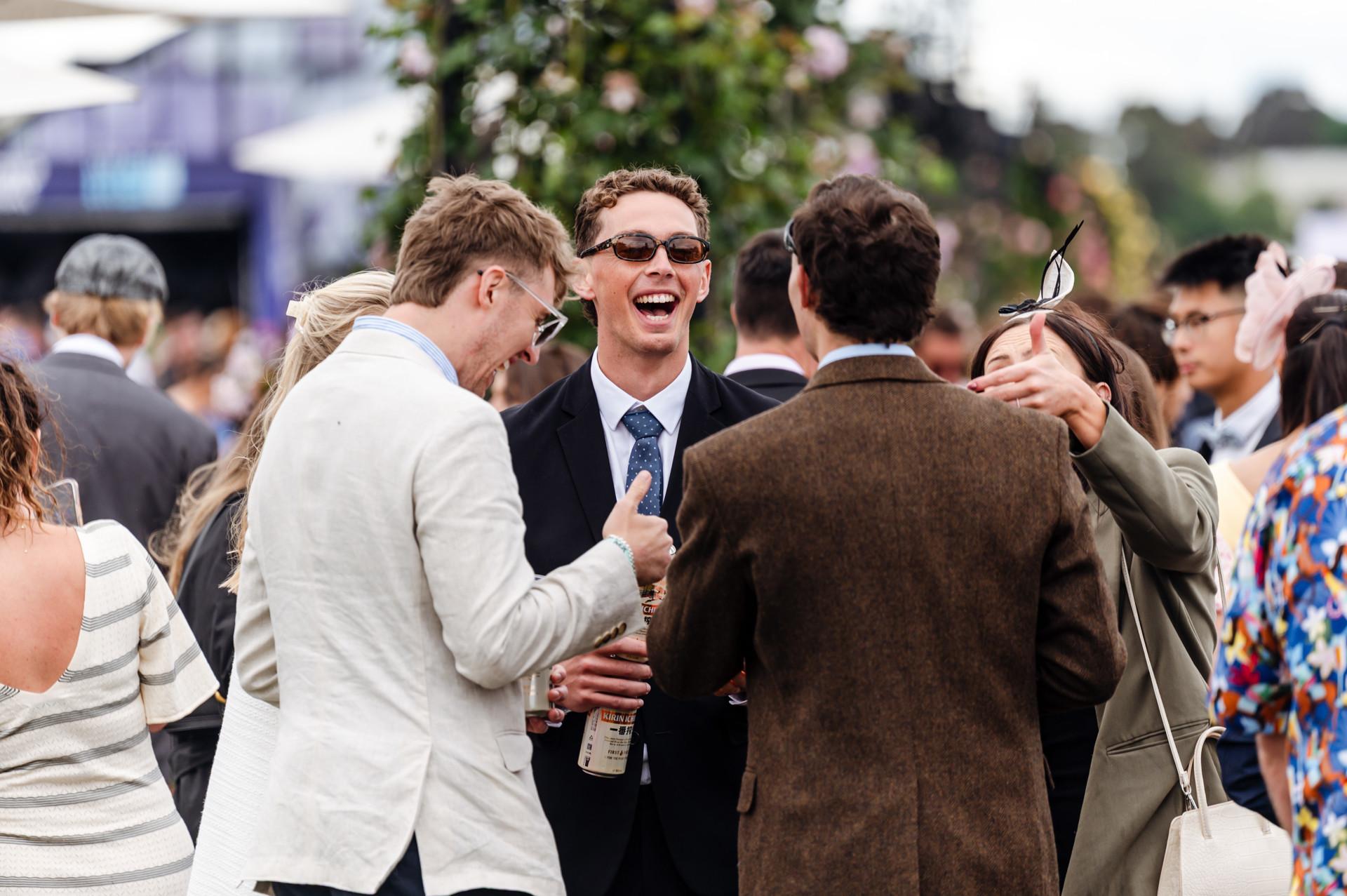
Major sporting events have an ability to attract people who do not normally follow the sport closely.
A person who rarely watches football may watch a championship final. Someone who does not regularly follow cricket may tune in for a major tournament.
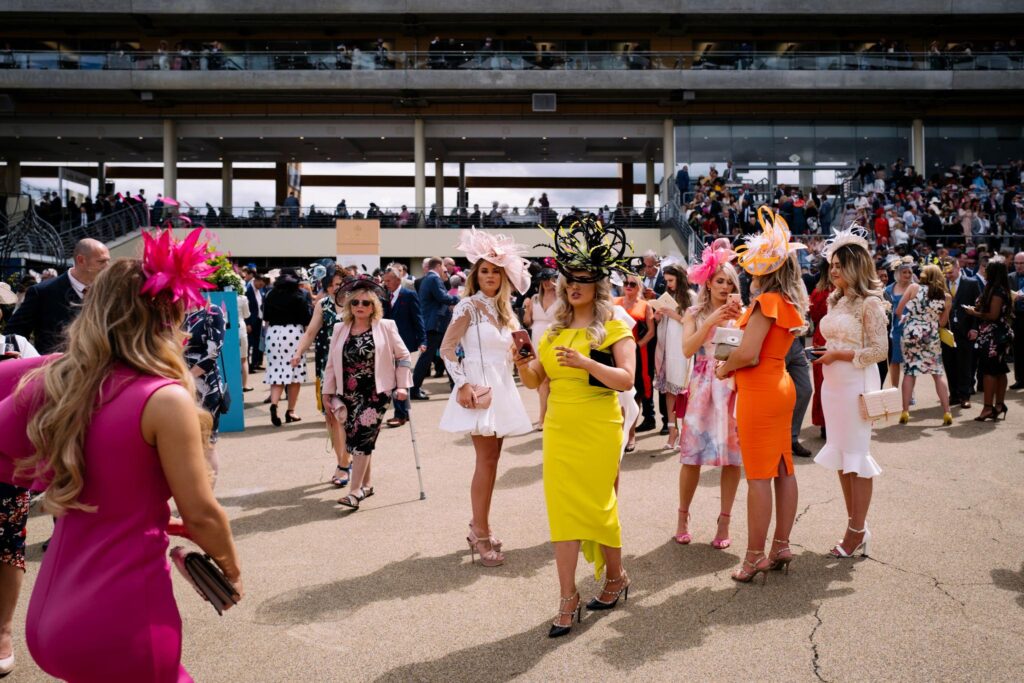
Horse racing operates in much the same way.
A major racing event can become a broader sporting occasion, attracting dedicated racing followers alongside casual spectators and people interested in the atmosphere surrounding the event.
The Event Becomes Bigger Than the Race
A major race is rarely promoted only as a few minutes of competition.
The build-up may include interviews, media coverage, fashion, hospitality, public events and historical features.
This creates a sense of occasion.
For newcomers, that broader environment can be easier to enter than technical racing coverage.
They may come for the experience and discover the sporting side along the way.
The Power of Tradition
Established sporting events accumulate tradition.
Their history becomes part of their identity.
People recognize the date, the venue and the familiar rituals surrounding the occasion.
Tradition can make a sporting event attractive even to people who are not regular followers.
Horse racing has several events with similarly strong annual identities.
The event becomes something people expect to see and discuss every year.
The Social Dimension
Major race days can attract groups rather than individual spectators.
Friends attend together.
Families create traditions.
Businesses organize hospitality events.
Visitors travel to experience the occasion.
This social dimension helps racing reach beyond the traditional racing audience.
The sport becomes a shared event.
Fashion and Presentation
Horse racing also has a distinctive visual culture.
Major meetings can attract considerable attention to clothing, venue design, photography and presentation.
That gives the event relevance outside traditional sports coverage.
A person might first become interested through fashion, social activity or photography before developing an interest in the races themselves.
This creates another path into the sport.
The Role of Media
Media coverage can turn a race into a national or international story.
Newspapers provide features and interviews.
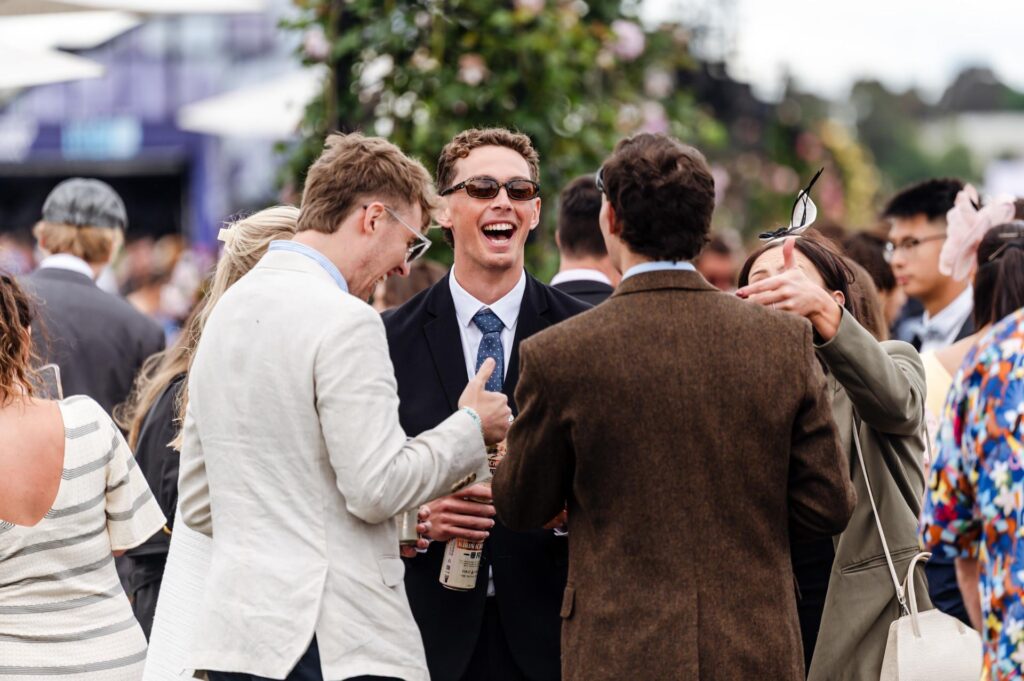
Broadcasts show the racing action.
Digital publications provide constant updates.
Social media expands the conversation even further.
The audience therefore encounters the event from many directions.
Someone does not necessarily need to search for horse racing to encounter a major race.
Sporting Drama Remains Central
Despite the wider event, the competition remains the foundation.
There is uncertainty.
There are favorites and challengers.
There is a field of competitors and a definitive result.
That basic sporting structure is familiar to audiences across many sports.
The surrounding spectacle simply makes the entry point broader.
Cross-Sport Audiences
People who already enjoy football, cricket, rugby, basketball or tennis may appreciate horse racing for different reasons.
Some may enjoy the live atmosphere.
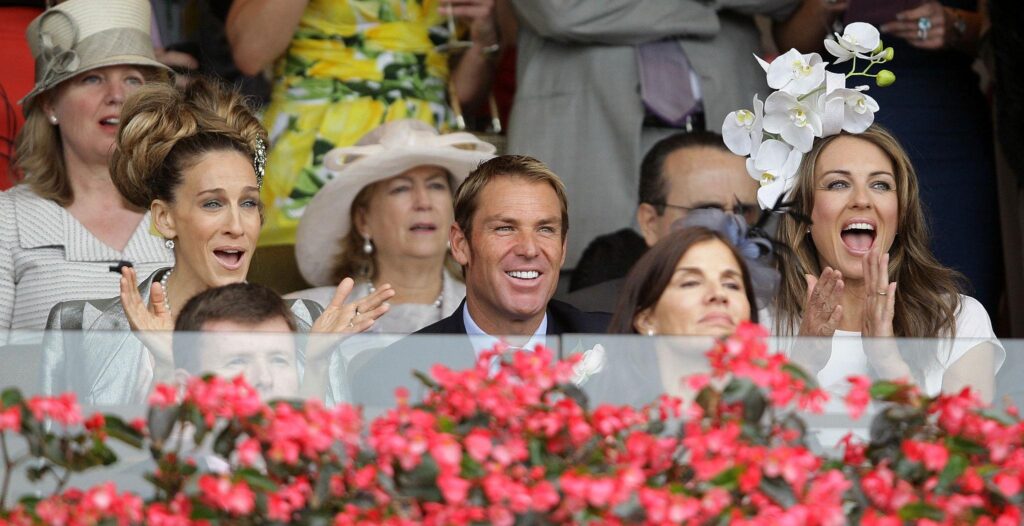
Others may be interested in the statistics.
Others may follow the personalities.
Some may simply enjoy major sporting occasions.
This variety means the racing audience does not have to consist only of lifelong racing followers.
The Experience Matters
Sports fandom is increasingly about experiences as well as results.
Fans want to attend memorable events, take photographs, share moments and build personal associations.
Major racing meetings can provide all of those opportunities.
That is why they can function as gateways.
A person may attend one major event casually and return the following year with a much stronger interest in the racing itself.
A Broader Sporting Identity
The ability of major racing events to attract wider audiences demonstrates that horse racing can occupy the same cultural space as other major sporting occasions.
It can be competitive, historic, social and highly visual at the same time.
For racing organizations and media companies, that broad appeal creates opportunities to introduce new audiences to the deeper world of the sport.
The race may last minutes.
The experience surrounding it can last much longer.