
From Fan to Community: How Horse Racing Creates Conversations Beyond the Track
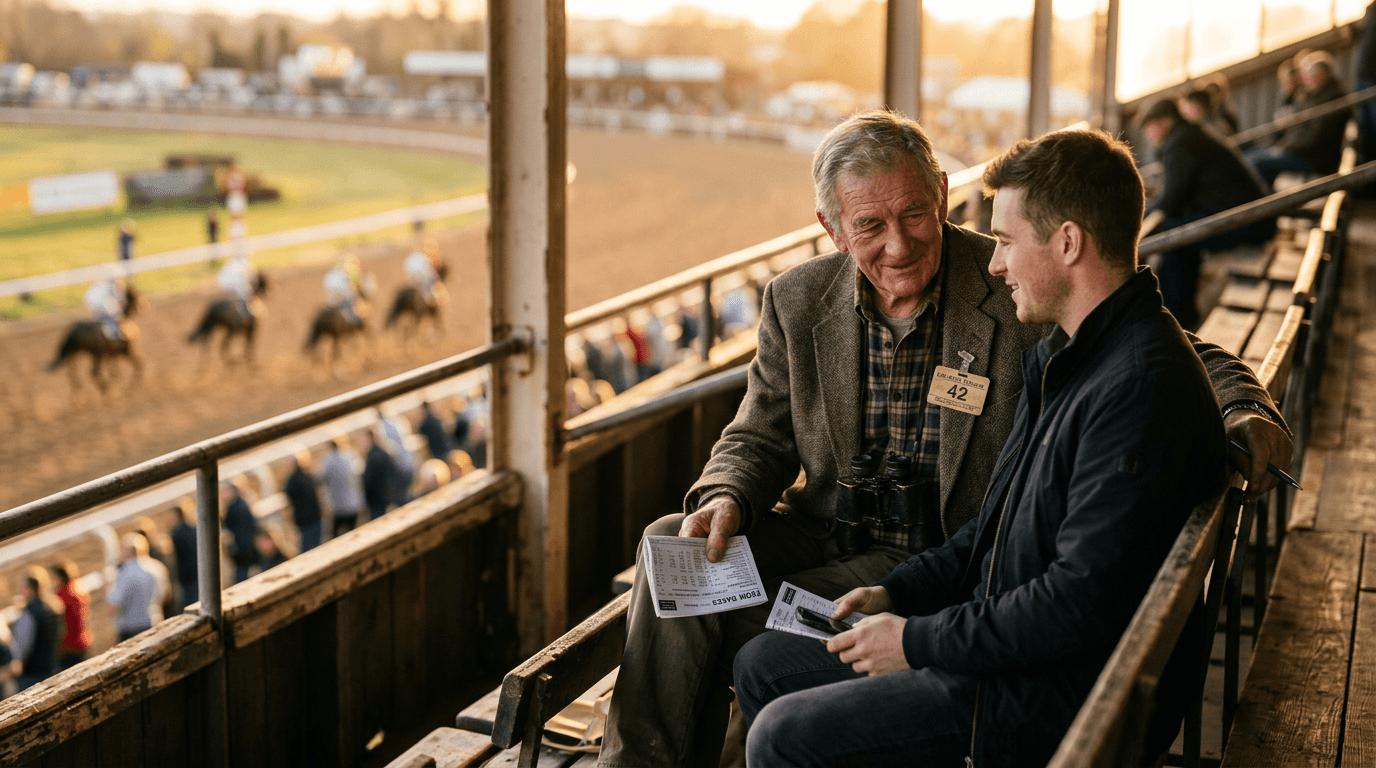
Being a sports fan has always involved conversation.
Fans discuss performances before a match, debate decisions afterward and remember memorable moments together.
Horse racing has a similarly social structure.
The sport may take place on the track, but a large part of its culture develops through the conversations that continue before and after race day.
Shared Interest Creates Connection
Two people who follow the same sport already have something to discuss.
They may talk about a particular horse, upcoming race or memorable performance.
Over time, these conversations can become friendships and communities.
The shared subject provides a common language.
Racing Has a Large Vocabulary
The specialized nature of horse racing gives its communities an unusually rich vocabulary.
Dedicated followers understand the names of horses, trainers, jockeys, racecourses and major events.
They recognize historical references that may mean little to someone outside the sport.
This shared knowledge creates a sense of belonging.
Learning the language is part of becoming part of the community.
Newspapers Once Created the Common Conversation
Before digital platforms, newspapers played an important role in bringing racing audiences together around the same information.
A major race report or feature could become the reference point for conversations across workplaces, homes and social gatherings.
Readers were often discussing the same article because they had received their information from the same publication.
Digital Media Has Expanded the Community
Today, conversations can happen continuously.
Fans can react to stories, share photographs, watch interviews and discuss performances through digital platforms.
The community no longer has to live in the same town or attend the same racecourse.
People with a shared interest can interact from different locations.
This has significantly expanded the potential audience for racing content.
Podcasts and Video Add Personality
Written journalism is only one part of the modern racing conversation.
Podcasts provide long-form discussion.
Video allows audiences to hear directly from participants.
Social media encourages shorter, faster reactions.
These formats make racing media more conversational.
Fans can choose the form of content that best matches the way they like to follow sport.
The Importance of Memory
Communities are built partly through shared memories.
Fans remember major races and discuss them years later.
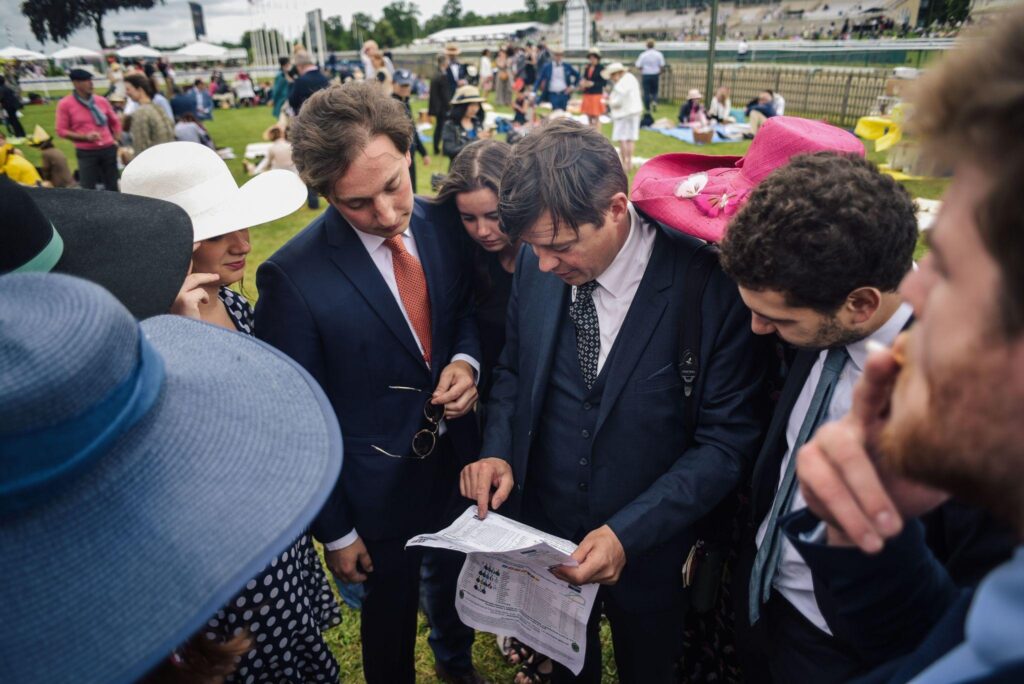
They compare generations of horses.
They recall famous finishes.
They talk about racecourses they visited.
These memories create continuity between past and present.
Community Is Bigger Than Competition
The strongest sporting communities discuss much more than who won.
They talk about history, personalities, venues, traditions, photography, journalism and the wider racing industry.
That breadth helps maintain interest even when major racing events are not taking place.
Welcoming New Fans
Every sporting community depends on new participants.
New fans need accessible explanations and opportunities to learn.
Experienced followers can play an important role by introducing newcomers to the sport’s history and culture.
Media can assist by producing articles that explain unfamiliar subjects without assuming that every reader is an expert.
That creates a bridge between established fans and new audiences.
A Modern Racing Community
The contemporary racing fan may consume information through several channels at once.
They may read an article in the morning, watch an interview during the afternoon and discuss a race with friends in the evening.
The community exists across many platforms.
What has changed is the technology.
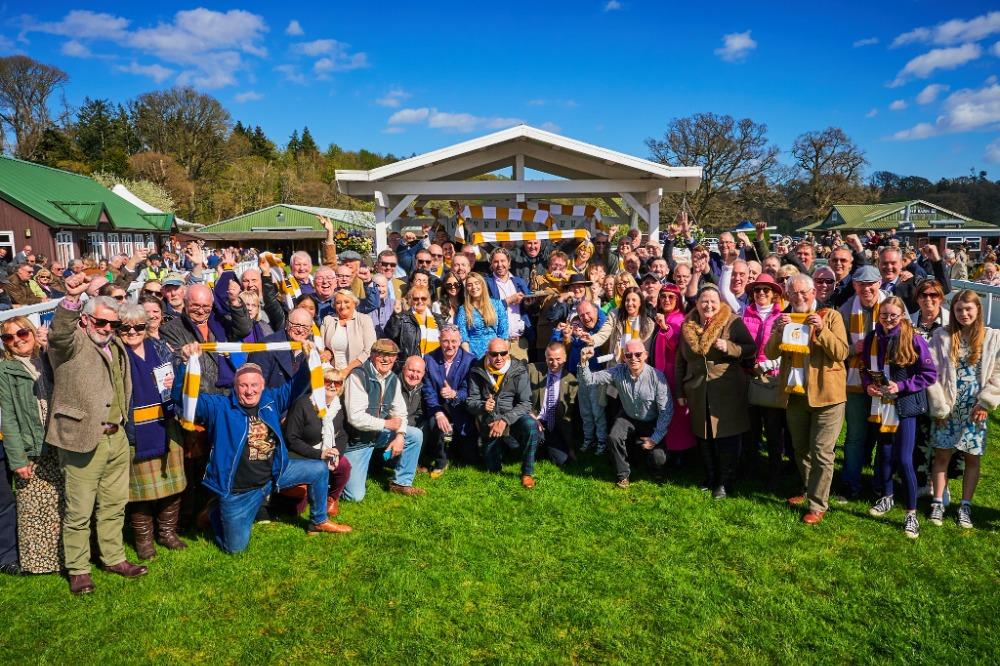
The human desire to share sporting experiences has remained remarkably consistent.
The Conversation Is Part of the Sport
A race creates the event.
Fans create the conversation around it.
That conversation helps turn individual races into memories, rivalries and continuing stories.
For horse racing, the community surrounding the sport is therefore not an optional addition.
It is one of the ways the sport remains culturally relevant between race days.