
The Human Side of Horse Racing: Why Sports Fans Follow People as Much as Competition
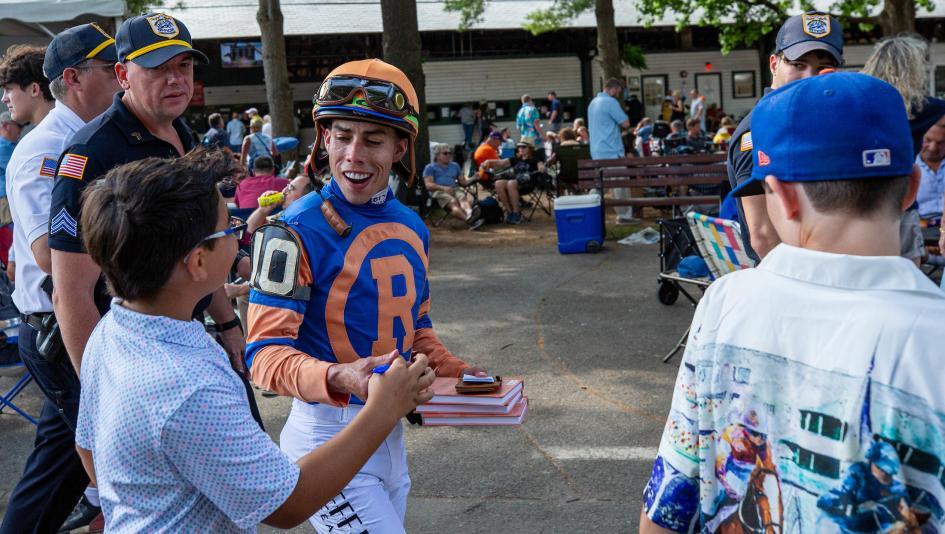
Sport is often described through results, but fans rarely become attached to results alone.
They follow people.
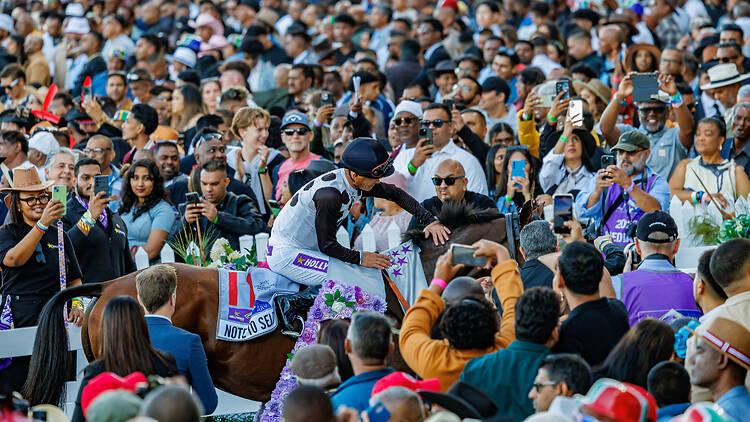
A football supporter knows the players. A cricket audience remembers great captains. Tennis fans build connections with individual competitors.
Horse racing has a similarly strong human dimension, even though horses are the central competitors.
Behind every performance is a network of people whose careers, decisions and experiences form part of the story.
Jockeys as Sporting Personalities
Jockeys are among the most visible people in racing.
Their performances are directly connected to the outcome of races, making their careers naturally interesting to sports audiences.
Fans can follow a jockey’s development from early opportunities to major races.
A new rider’s breakthrough can become a story.
An experienced jockey’s longevity can become another.
The individual career creates continuity between race meetings.
Trainers as Strategic Figures
Trainers occupy a role that can be compared with coaching figures in other sports.
They oversee preparation, manage campaigns and make decisions about where and when horses compete.
That process gives fans another perspective on competition.
A race result becomes part of a larger strategy.
The trainer’s career becomes a story running alongside the horses they prepare.
Owners and Breeders
Ownership and breeding introduce another human dimension.
An owner’s involvement may span many years.
A breeder may work toward long-term outcomes that are not visible on race day.
These stories can appeal to sports fans who enjoy the organizational side of competition.
The event on the track is connected to decisions made far beyond the race itself.
Stable Staff and the Invisible Workforce
Many of the people who contribute to racing receive little public attention.
Stable workers, riders, veterinarians, farriers and other professionals contribute to the preparation and welfare of racehorses.
Their work helps explain why racing is an industry rather than simply a sporting spectacle.
Feature journalism can bring these roles to audiences who may never see them during a race broadcast.
Personal Stories Make Sport Memorable
Human stories create emotional context.
A successful jockey may have spent years developing their career.
A trainer may have waited a long time for a major victory.
A racing family may have been involved in the sport for generations.
These stories make a result more than a number.
They give the audience a reason to remember it.
The Role of Interviews
Interviews allow sports journalism to explore those human stories directly.
A winning jockey can explain how a race unfolded.
A trainer can discuss preparation.
A stable worker can describe the everyday routine behind the event.
The interview moves the audience beyond the official result.
Instead of simply knowing what happened, readers begin to understand the people involved.
Personality Builds Fandom
A sports fan may initially become interested in racing because of a horse.
Over time, they may begin following the trainer or jockey as well.
Eventually, they are following an entire network of careers.
This process is common across sport.
People provide continuity.
Competitions come and go, but the personalities surrounding them can remain part of the audience’s interest for many years.
Stories Travel Beyond Race Day
Human-interest stories are also useful because they keep fans engaged between competitions.
A horse may not race every week.
A major carnival may be months away.
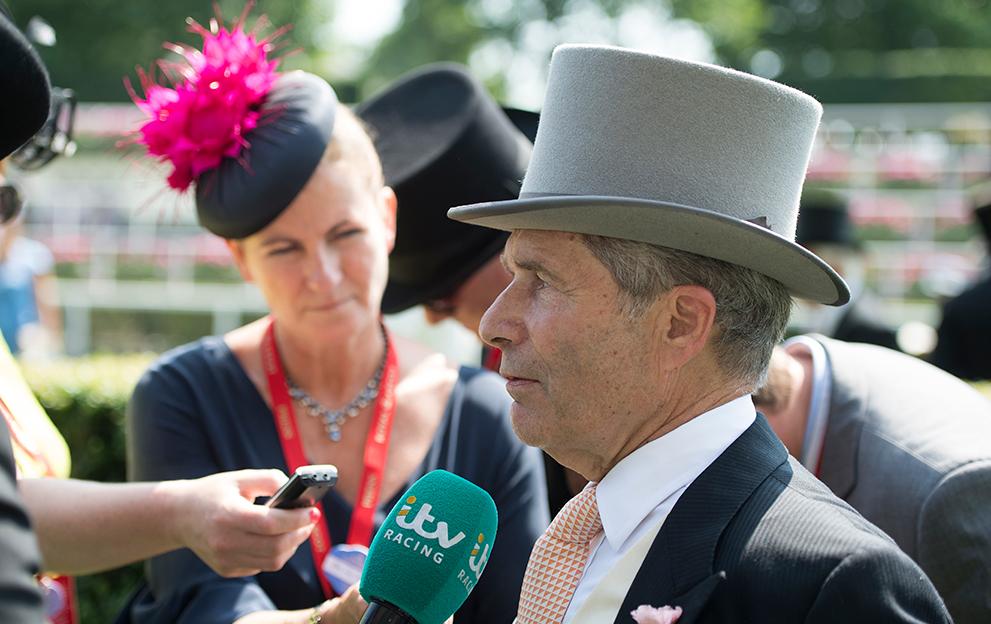
But profiles, interviews and behind-the-scenes features can continue the story.
This gives sports media another way to maintain audience interest.
Racing as a Human Industry
Looking only at the finish line can make racing seem simple.
Looking behind the finish line reveals a large professional community.
That is where racing and mainstream sports culture become even more closely connected.
Fans are attracted not only to contests, but to the people whose careers shape those contests.
Horse racing has an enormous number of those stories.