Why Horse Racing Appeals to Sports Fans

Horse racing has a distinctive place in the sporting world. It has its own traditions, terminology and culture, yet the fundamental reasons people become interested in racing are remarkably familiar to anyone who already follows sport.
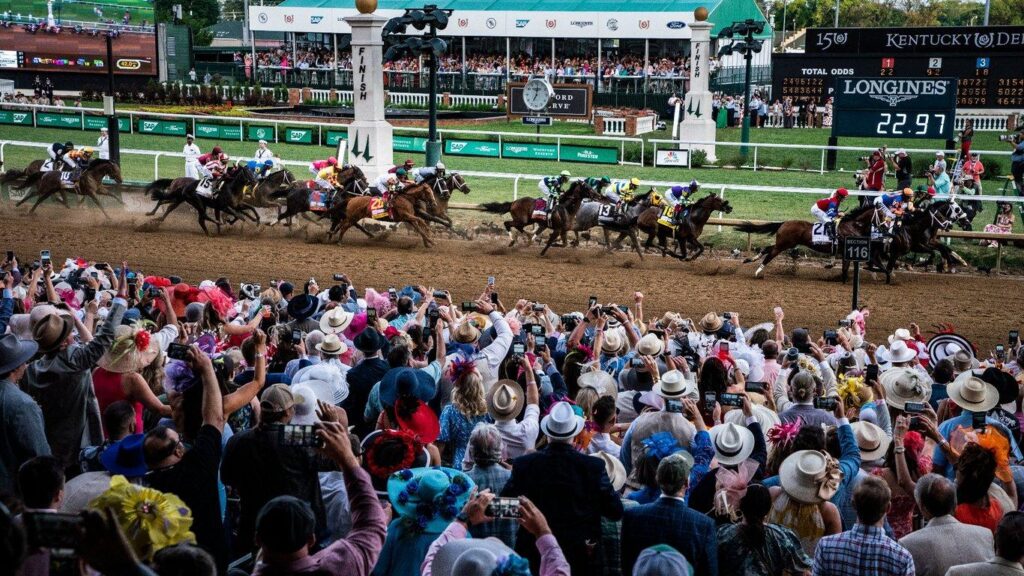
At the heart of the attraction is competition. Sports fans enjoy watching preparation lead to performance, following individual competitors and returning to events that have meaning beyond a single result. Horse racing contains all of those elements, often within a remarkably short period of time.
The most obvious difference is that the competitors are horses. But the sporting story surrounding them includes many of the same ingredients found elsewhere: athletes with developing careers, established stars, rivalries, coaches and trainers, major events, statistics, historical records and passionate supporters.
More Than a Few Minutes on the Track
A race itself may be brief, but the sporting story begins long before the horses arrive at the starting gates.
A horse may have been preparing for a particular event for weeks or months. A jockey may have developed a reputation through a series of important rides. A trainer may have carefully planned a campaign around certain distances and race meetings.
For a sports fan, this creates a familiar pattern. There is preparation, expectation and uncertainty.
The outcome is not known in advance, and that uncertainty is one of the essential ingredients of spectator sport.
The Individual Connection
Football supporters may follow a particular player. Cricket fans may have favorite batsmen or bowlers. Tennis audiences often develop strong connections with individual competitors.
Horse racing offers the same opportunity.
Fans can follow horses throughout their careers and become familiar with the people associated with them. A promising horse can be watched as it develops. A successful jockey can be followed from one major race to another. A respected trainer can become a recurring figure throughout an entire racing season.
This creates continuity.
The fan is no longer watching isolated races. They are following careers.
Stories Create Emotional Investment
Statistics can tell a reader who won, but stories explain why the result matters.
A horse returning after a long absence carries a different narrative from an unknown runner appearing in a minor event. A jockey chasing an important career milestone creates another form of interest. A trainer preparing a horse for a major carnival can become a story in itself.
This is one of racing’s greatest strengths as a spectator sport.
Every competitor arrives at the starting gate with a history.
That history gives the audience reasons to care about what happens next.
The Appeal of the Sporting Calendar
Sports fans are accustomed to organizing their lives around events.
Football seasons create weekly routines. Cricket has major tours and tournaments. Tennis has a calendar of prestigious championships.
Horse racing provides a similar rhythm through regular meetings, racing carnivals and major feature events.
Certain race days become fixtures in a fan’s annual calendar.
Anticipation grows in the weeks leading up to them. Media coverage increases. Stories become more prominent. The event eventually arrives as a major sporting occasion.
That recurring structure helps turn occasional interest into long-term fandom.
The Atmosphere of the Racecourse
There is also an experiential side to racing.
A racecourse provides the same collective energy that sports fans recognize from stadiums and arenas.

Crowds gather before competition. People discuss the participants. Excitement increases as the field approaches the gates. The atmosphere changes instantly once the race begins.
The experience is not limited to watching the horses.
Race meetings can include fashion, food, hospitality, traditions, ceremonies and social occasions, making the day feel like a broader sporting event.
A Sport for the Analytical Fan
Horse racing also has a natural connection with fans who enjoy statistics.
Performance histories provide endless opportunities for comparison. Fans can examine previous results, distances, tracks, jockey records and trainer performance.
This makes racing attractive to people who enjoy the analytical side of sport.
The same curiosity that leads a football supporter to study player statistics can lead a racing fan to investigate performance patterns and historical records.
The numbers become another way of understanding competition.
A Sport With a Deep Archive
Another attraction is history.
Many sports are defined partly by their records and traditions, and horse racing is particularly rich in both.
Major races can have decades of history behind them. Racecourses may have hosted generations of competitors. Certain trainers, jockeys and horses become part of the mythology of the sport.
That history gives present-day events additional meaning.
A race is not always just today’s race.
Sometimes it is another chapter in a story that began many years ago.
Why the Connection Matters
For sports fans who have never followed racing closely, the sport can initially seem unfamiliar.
Once the similarities are recognized, however, the connection becomes much easier to understand.
Horse racing offers competition, personalities, statistics, rivalries, traditions, live atmosphere and continuing stories.
Those are not exclusive to racing.
They are the foundations of sports fandom itself.
The language and format may be different, but the underlying experience is familiar.
That is why horse racing can fit naturally into the wider world of sports fandom. It does not need to be viewed as something separate from sport. It can be experienced as another form of competitive entertainment with its own characters, history and communities.