
From Stadium Culture to Racecourse Culture: Where Sports Fans Find Common Ground
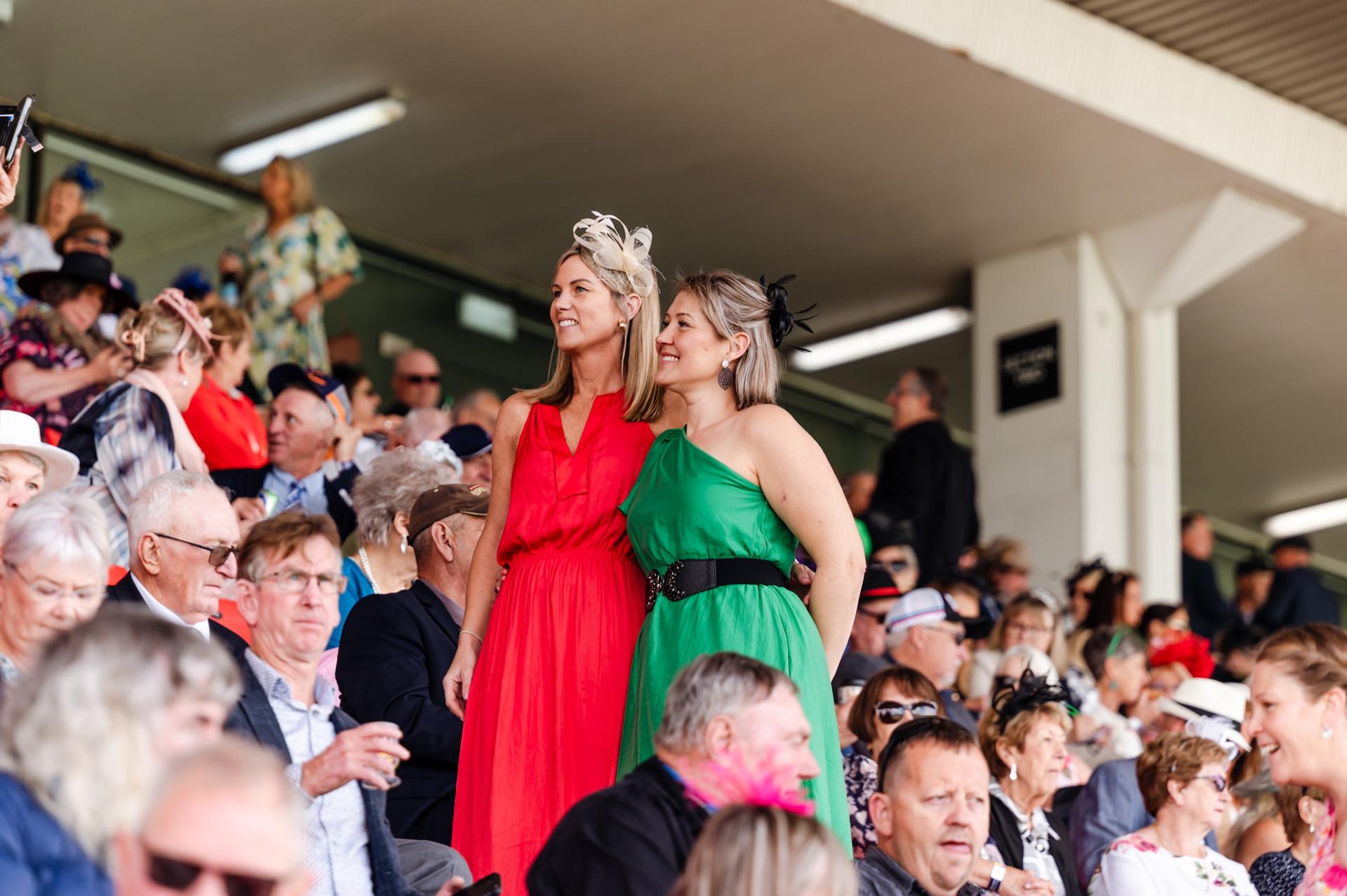
For many sports fans, supporting a sport is about much more than watching the competition.
It can involve travel, friendships, traditions, clothing, food, photography, conversations and annual events. A stadium can become a familiar place, and a major match can become part of a person’s personal history.
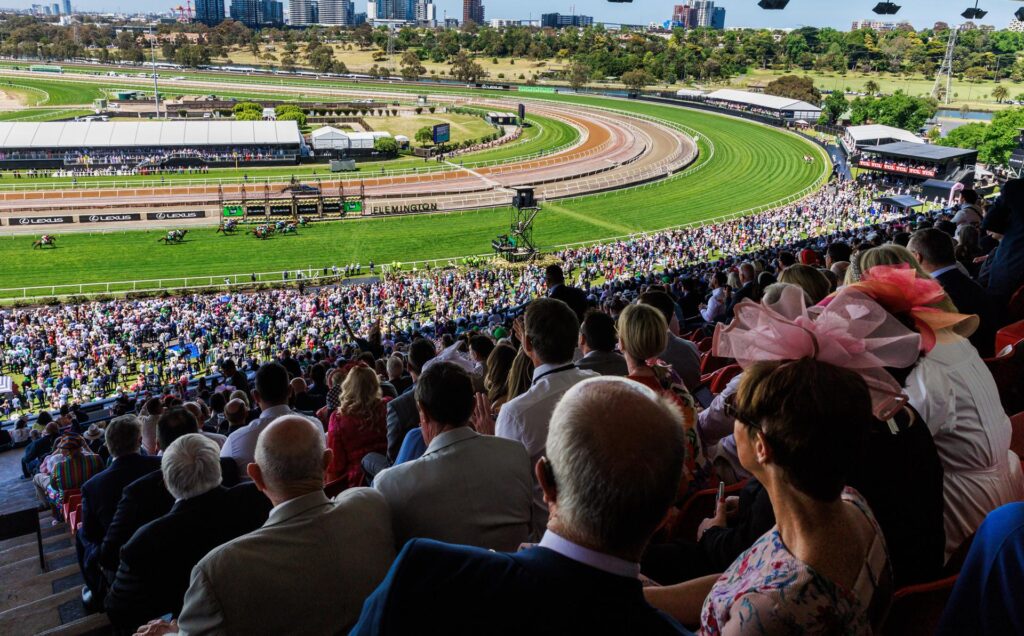
Horse racing has its own version of this culture.
The racecourse is not simply somewhere horses compete. It can function as a meeting place where sport, entertainment and social life intersect.
Every Sport Develops Its Own Rituals
Football supporters may arrive early, wear club colors and meet friends before a match.
Cricket fans may have traditional ways of spending an entire day at the ground.
Horse-racing audiences have developed their own rituals over generations.
People may make race days annual traditions. Families may attend together. Friends may meet at the same event each year. Major racing carnivals can become occasions that are as much about the experience as the competition.
These habits are an important part of fandom.
They give sporting events a sense of continuity.
The Racecourse as a Social Venue
The atmosphere of a racecourse can be very different from that of a conventional stadium, but there is a common idea underneath it.
People come together because something is happening.
They talk about the competitors, react to what they see and share the excitement of the event.
The racecourse also allows people to move between different parts of the sporting experience. A spectator may watch horses before a race, observe the crowd, follow the action and then spend time socializing between events.
That creates a full-day sporting experience rather than a single moment of competition.
Tradition Plays a Major Role
Sports fandom often survives through traditions passed between generations.
A parent introduces a child to a favorite team. A family attends a championship every year. A particular sporting event becomes associated with childhood memories.
Racing can operate in exactly the same way.
A race day may become a family tradition, with memories building over decades.
This is one reason racing continues to have cultural value beyond its sporting results.
The event becomes part of people’s lives.
The Visual Side of Race Days
Modern sports culture is increasingly visual.
Fans photograph stadiums, jerseys, celebrations and major moments.
Horse racing offers an especially rich visual environment.
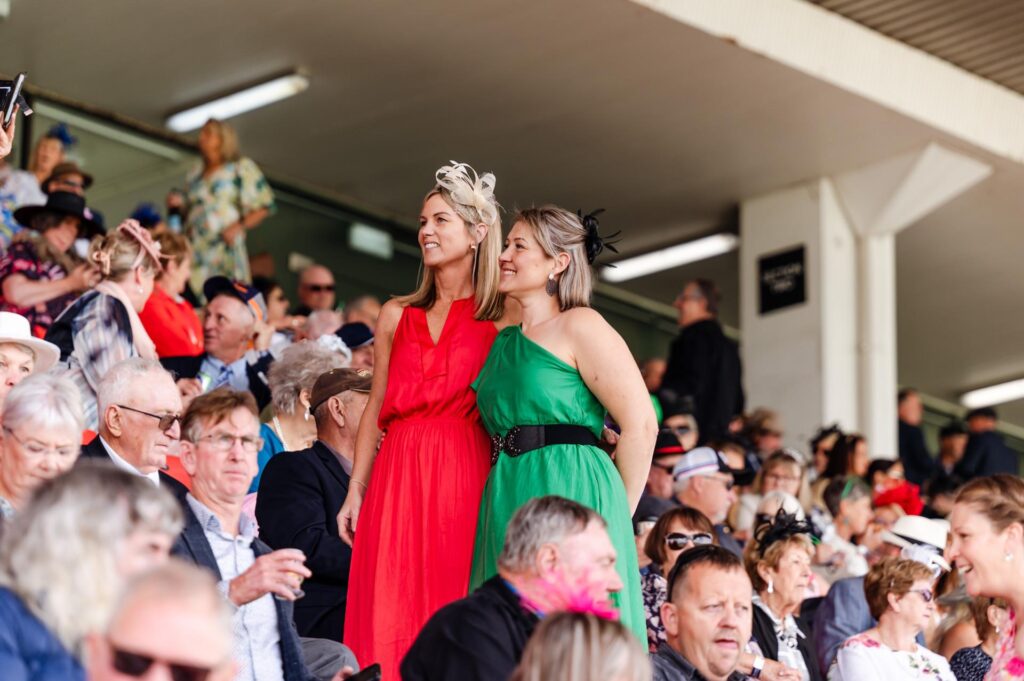
Racecourses provide grandstands, paddocks, horses, jockeys, crowds and ceremonial areas. Major events can also create distinctive fashion and social imagery.
The visual identity of a race meeting can become part of its appeal.
This is particularly important in the digital age, when fans share experiences with much larger audiences through photographs and video.
Competition and Celebration
The sporting result remains central.
A dramatic finish can generate the same kind of immediate emotional response found at other major sporting events.
The difference is simply the rhythm.
Rather than watching a contest unfold over ninety minutes or several hours, spectators may experience several bursts of intense competition throughout the day.
Each race creates its own moment.
Together, those moments create the event.
A Different Kind of Sporting Crowd
Horse-racing audiences can include dedicated racing followers, casual sports fans, families, visitors and people attending for the broader social experience.
That mixture makes racecourse culture distinctive.
A major meeting can attract people with very different levels of knowledge.
Some may understand every aspect of the racing program.
Others may simply enjoy being present at a major sporting occasion.
Both forms of participation are part of the culture surrounding the sport.
Why Existing Sports Fans Can Feel Comfortable at the Track
Someone accustomed to visiting stadiums already understands many of the basic pleasures of attending live sport.
There is anticipation before competition.
There is collective reaction during important moments.
There are conversations with other spectators.
There are traditions surrounding major events.
There are memories created through attendance.
The racecourse offers these experiences in a different setting.
It is another sporting venue with its own language and customs.
Modern Racecourse Culture
Digital media has added another layer.
Fans now document their experiences through phones, photographs and social platforms. Race-day content can continue long after spectators leave the venue.

A photograph from a major meeting can become part of the event’s identity.
A short video can introduce someone who was not present to the atmosphere.
A fan’s personal experience becomes part of a wider digital conversation.
A Broader Definition of Being a Sports Fan
The connection between stadium culture and racing culture ultimately comes down to one idea: sport creates communities.
People gather around competitions because they want to share experiences.
Horse racing may have different traditions from football, cricket or rugby, but it provides the same basic opportunity.
A racecourse can be a place where sport becomes social, where traditions become memories and where individual races become shared experiences.
For sports fans, that makes racing much more familiar than it may initially appear.