The Data-Driven Sports Fan and the Statistical World of Horse Racing

Modern sports fandom is increasingly analytical.
Fans no longer rely only on what they see during a match. They examine statistics, historical performances and records to develop a deeper understanding of competition.

Horse racing fits naturally into that environment because the sport produces an enormous amount of measurable information.
Every race creates a record. Every horse develops a performance history. Jockeys and trainers accumulate results over time.
For an analytical sports fan, racing offers an unusually deep field of information to explore.
The Appeal of Numerical Comparison
Statistics give fans a way to compare competitors.
A football supporter might examine a player’s scoring record.
A cricket fan may study averages and strike rates.
A racing follower can examine finishing performances, distances, track records and the history of previous races.
The underlying attraction is similar.
Numbers create another way of understanding sporting performance.
Every Race Adds to the Record
One of racing’s distinctive characteristics is the continuing nature of its records.
A horse’s latest performance becomes part of its larger history.
Over time, fans can see whether performance is improving, changing or remaining consistent.
This creates a sense of progression.
A horse is not simply competing today.
It is adding another entry to a sporting career.
Jockey and Trainer Statistics
The statistical picture becomes even broader when the humans involved are considered.
Jockeys accumulate records across seasons and venues.
Trainers build long-term performance histories.
Fans can examine how those careers develop alongside the horses they work with.
That creates an interconnected statistical story.
Data Can Reveal What the Eye Misses
Live sport happens quickly.
A spectator may remember the dramatic finish but miss important details earlier in the contest.
Historical data can reveal patterns that are difficult to identify through a single viewing.
A journalist or fan may notice how performances differ across distances or venues, for example, and use that observation as a starting point for deeper research.
Data extends the fan’s attention beyond what happened in one afternoon.
Statistics Encourage Curiosity
The most valuable role of data is not to make sport mechanical.
It is to create questions.
Why did a horse perform differently under another set of conditions?
Why has a jockey developed a strong record at a particular venue?
Why does a trainer repeatedly return to a particular type of race?
These questions encourage fans to explore the sport more deeply.
The Growth of Sports Analytics
Across modern sport, statistics have become part of mainstream discussion.
Fans are accustomed to graphics, records and performance comparisons during broadcasts and online coverage.
Horse racing has an especially natural relationship with this trend because its traditional culture has long included detailed race information.
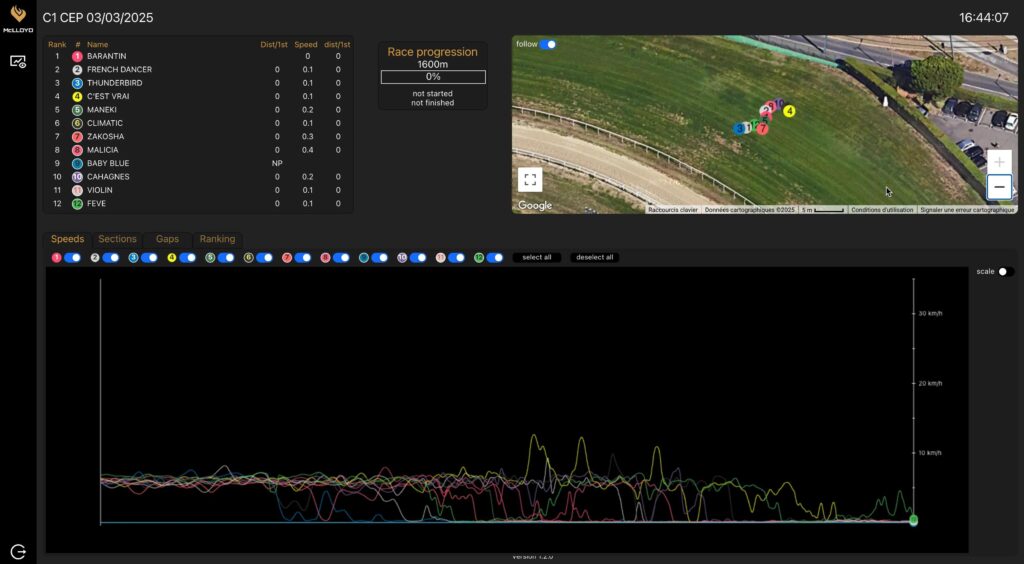
The printed form guide and results page were early examples of data-rich sports coverage.
Modern digital platforms simply make that information easier to search, compare and present.
The Human Side of the Numbers
Statistics become more meaningful when connected to people.
An impressive record is interesting, but the career behind that record can make it memorable.
The journalist’s role is therefore important.
Rather than presenting endless numbers, good racing coverage can explain why a statistic matters and how it fits into the competitor’s wider story.
Data and storytelling work together.
The Appeal to Modern Sports Audiences
A fan who already enjoys analytical football coverage, cricket statistics or performance metrics can find familiar territory in racing.
The terminology is different.
The competitors are different.
The structure is different.
But the desire to understand performance through evidence is the same.
That makes horse racing particularly suited to the modern sports audience.
Beyond Numbers
The statistical side of racing should not replace the emotional side.
Fans still care about memorable performances, personalities and history.
Data simply provides another lens.
For some followers, it may be the entry point that turns casual interest into serious curiosity.
For others, it may add another layer to an existing passion.
Either way, horse racing’s numerical depth makes it one of the sports capable of satisfying audiences who enjoy both competition and analysis.