Racing Rivalries and the Sporting Stories That Keep Fans Watching
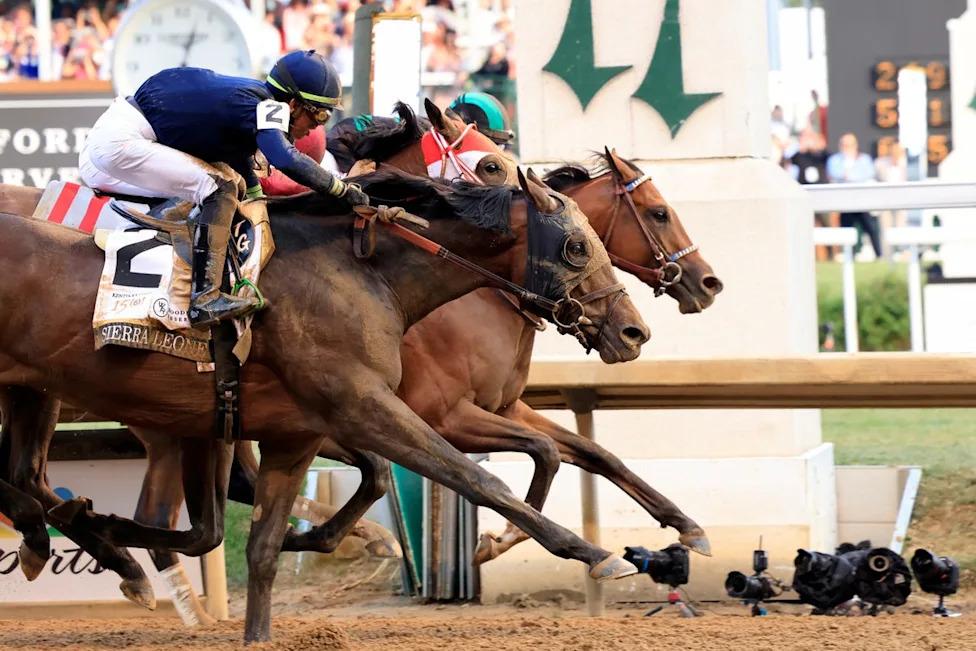
Sport is often remembered through rivalries.
Fans may forget ordinary matches, but they remember contests between competitors who repeatedly met at important moments. Rivalries provide history, anticipation and emotional context.
Horse racing can produce the same effect.
Although each race is its own event, horses, jockeys and trainers can meet repeatedly across seasons and major competitions. Once those encounters become familiar to the audience, future races gain another layer of meaning.
When a Race Gains a History
The first meeting between two competitors may simply produce a result.
The second encounter is different.
Now there is a reference point.
Fans know what happened previously. They remember which horse performed better and may wonder whether circumstances will change next time.
That simple history can transform the way an event is watched.
Rematches Create Anticipation
A rematch is one of sport’s most powerful storytelling devices because the audience already knows something about the competitors.
There is an unanswered question.
Can the previous winner repeat the performance?
Can the other competitor respond?
Will different conditions produce a different outcome?
Horse racing offers plenty of opportunities for this kind of narrative because horses may meet multiple times during a campaign or across a racing season.
Conditions Keep the Story Fresh
No two races are identical.
Distance can change. Track conditions can change. The stage of a horse’s preparation can be different. A new jockey may take the ride.
That means a rematch does not simply repeat the past.
It tests the competitors under new circumstances.
For fans, those differences create reasons to watch carefully.
Human Rivalries Add Another Layer
Racing rivalries are not limited to horses.
Jockeys can repeatedly compete against one another in major events. Trainers can develop long-standing competition within important racing circuits.
These recurring matchups become easier for audiences to recognize over time.
The personalities of the people involved can become part of the story.
Media Gives Rivalries Their Memory
Without journalism, many sporting rivalries would quickly disappear from public memory.
Newspapers and digital platforms document the encounters.
A race report records the latest result. A preview reminds readers of previous meetings. An interview reveals how participants view the next contest. Historical coverage places the rivalry in a wider context.
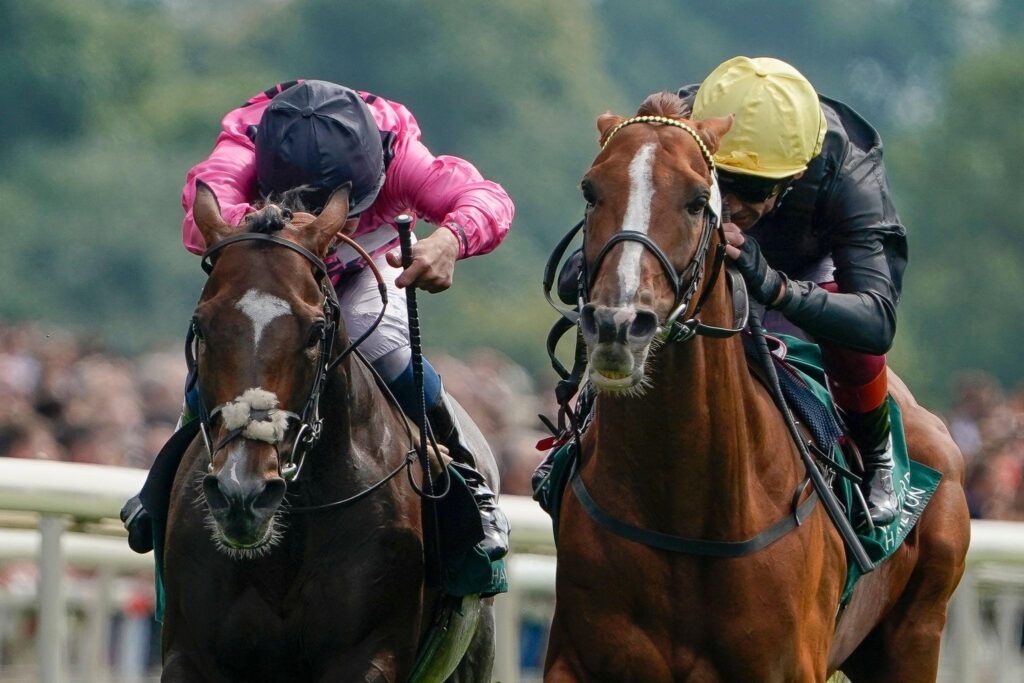
Media therefore connects individual events.
It turns several races into one continuing narrative.
Fans Become Part of the Story
Once rivalries develop, fans naturally begin remembering them in their own way.
One race may stand out because of a dramatic finish. Another may be remembered because it took place at a major carnival. A third may matter because it represented an important moment in a horse’s career.
These memories become part of fan culture.
The sporting event continues to exist in conversation long after it has ended.
Rivalries Can Cross Generations
One of the strengths of racing history is that stories can be passed from one generation to another.
Older fans may tell younger followers about famous horses they watched in their own time.
Historical footage and newspaper archives can then bring those stories back into the present.
The result is a sporting culture where today’s fans can become interested in events that happened many years earlier.
The Rivalry Beyond the Finish Line
A rivalry does not require constant hostility.
In sport, the term can simply describe recurring competition between notable participants.
That competition can produce respect, fascination and anticipation without becoming a personal conflict.
For racing fans, the important element is the sporting narrative.
Who met whom?
What happened?
What changed?
What happened the next time?
Those questions can keep an audience engaged for years.
Why Rivalry Matters to Fan Culture
Sports become easier to follow when fans have stories that continue across time.
Rivalries provide exactly that.
A single race gives the audience an outcome.
A rivalry gives them a reason to remember the outcome and look forward to the next chapter.
That makes rivalries one of the most natural bridges between horse racing and wider sports culture.