What Makes a Sports Fan Stay? The Long-Term Relationship Between Fans and Horse Racing

The first attraction to a sport may be excitement, but long-term fandom usually depends on something deeper.
Fans stay because they develop memories, relationships with competitors, knowledge of the sport and traditions that become part of their lives.

Horse racing provides all of these ingredients.
A person may discover racing through a single major event and eventually develop an interest that lasts for decades.
Fandom Grows Through Familiarity
The more often people encounter a sport, the more familiar it becomes.
Names become recognizable.
Rules become easier to understand.
Important events gain meaning.
Horse racing can initially seem complicated to newcomers, but regular exposure gradually makes the structure more intuitive.
Familiarity turns uncertainty into curiosity.
Favorite Competitors Create Continuity
Long-term fans often follow particular horses, jockeys or trainers.
That creates a continuing relationship with the sport.
The fan has a reason to return to the next event.
They want to know how a familiar competitor has developed.
That sense of continuity is one of the foundations of long-term sports fandom.
Memories Matter More Than Results
People rarely remember every match or race they have watched.
They remember particular ones.
Perhaps a favorite horse produced a dramatic performance.
Perhaps a race was watched with family.
Perhaps a day at the racecourse became an important personal memory.
These moments give sporting fandom emotional depth.
Annual Events Become Personal Traditions
Many sports fans have events they never want to miss.
Horse racing can develop the same traditions.
A particular race meeting may become an annual occasion shared with friends or family.
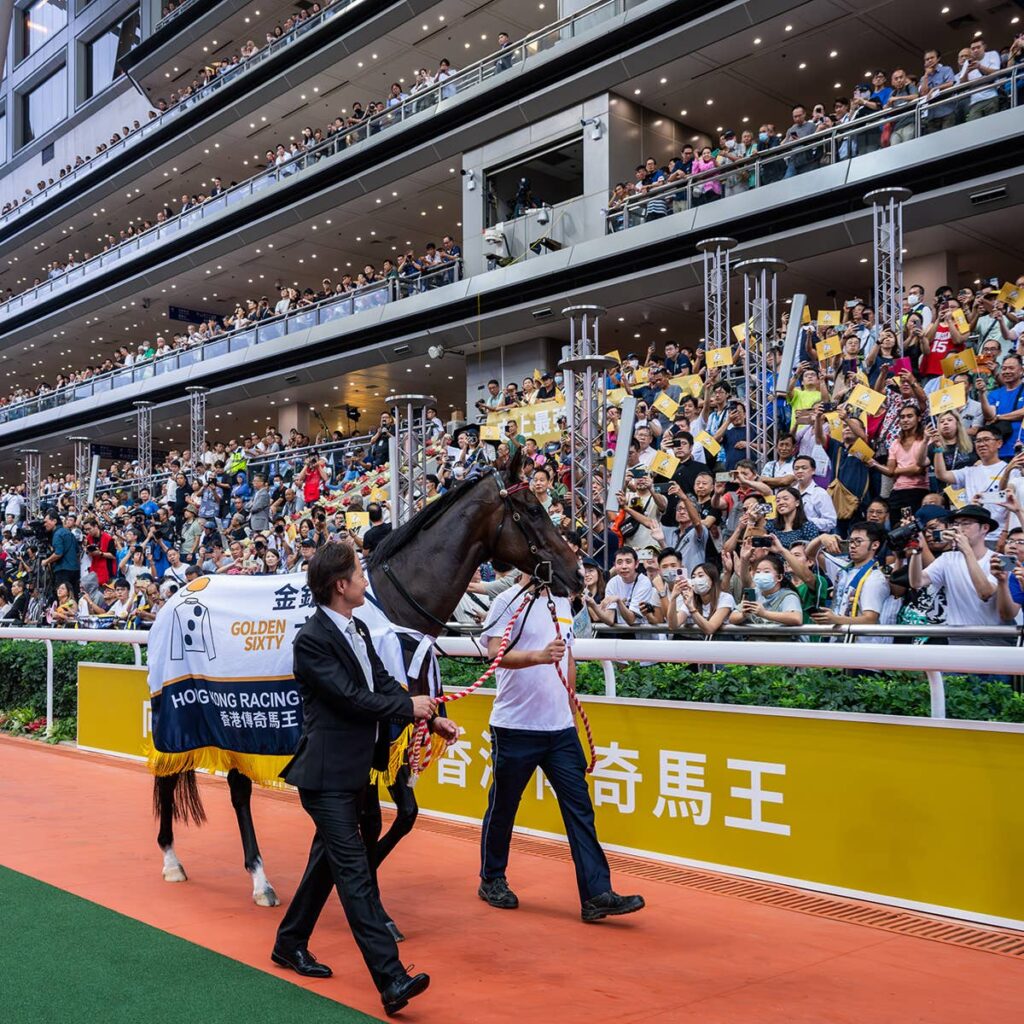
The event gains personal meaning beyond the competition.
Over time, attending or watching it becomes part of the calendar.
Knowledge Strengthens Attachment
As fans learn more about racing, they begin seeing connections that casual viewers miss.
Historical references become meaningful.
Statistics become easier to understand.
The importance of particular venues or races becomes clearer.
Knowledge does not replace emotion.
It strengthens it by giving context to what the fan is watching.
Communities Keep Interest Alive
Long-term fandom becomes easier when other people share it.
Friends, family, racing groups and online communities provide opportunities to discuss the sport between events.
The conversation itself becomes part of the experience.
Media Extends the Relationship
Newspapers, websites, podcasts and broadcasts ensure there is nearly always something new to discover.
A fan can follow a story even when there is no race happening.
An interview can create interest in an upcoming event.
A historical feature can revive memories.
A profile can introduce a new personality.
Media keeps the sporting narrative moving.
Generational Fandom
Some of the strongest sports cultures are passed between generations.
Parents introduce children to the sport.
Older fans share memories of famous competitors.
Historical stories are retold.
Horse racing has strong traditions that make this kind of transmission possible.
The result is a connection between different generations of spectators.
The Relationship Changes Over Time
A person’s reasons for following racing may evolve.
A newcomer may initially care only about major events.
Later, they may become interested in individual horses.
Eventually, they may develop an interest in history, statistics, photography or the business of the sport.
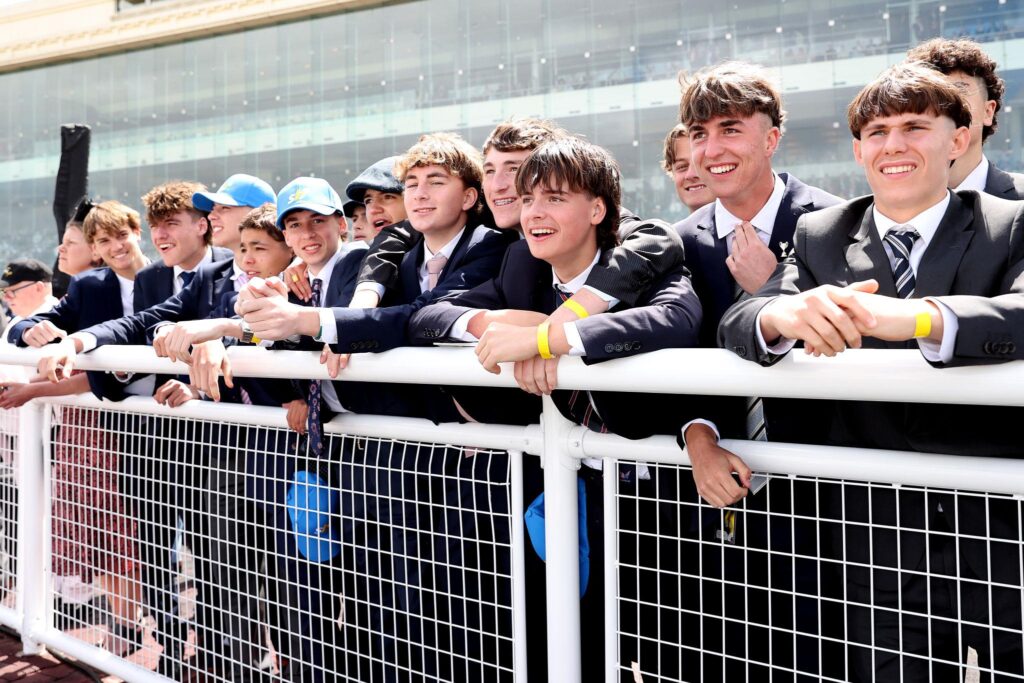
The fan grows alongside the subject.
The Enduring Appeal
Long-term sports fandom is ultimately about belonging to a continuing story.
Horse racing provides thousands of those stories.
There are careers, rivalries, traditions, venues and generations of competitors.
A fan can enter at almost any point and begin following from there.
That is why racing can become more than an occasional sporting interest.
It can become part of a person’s sporting identity and a continuing source of memories, conversations and curiosity.